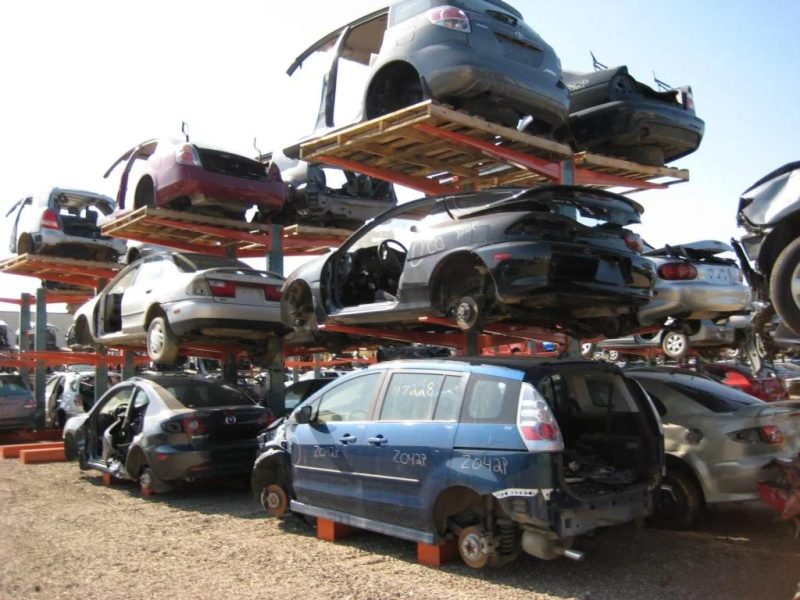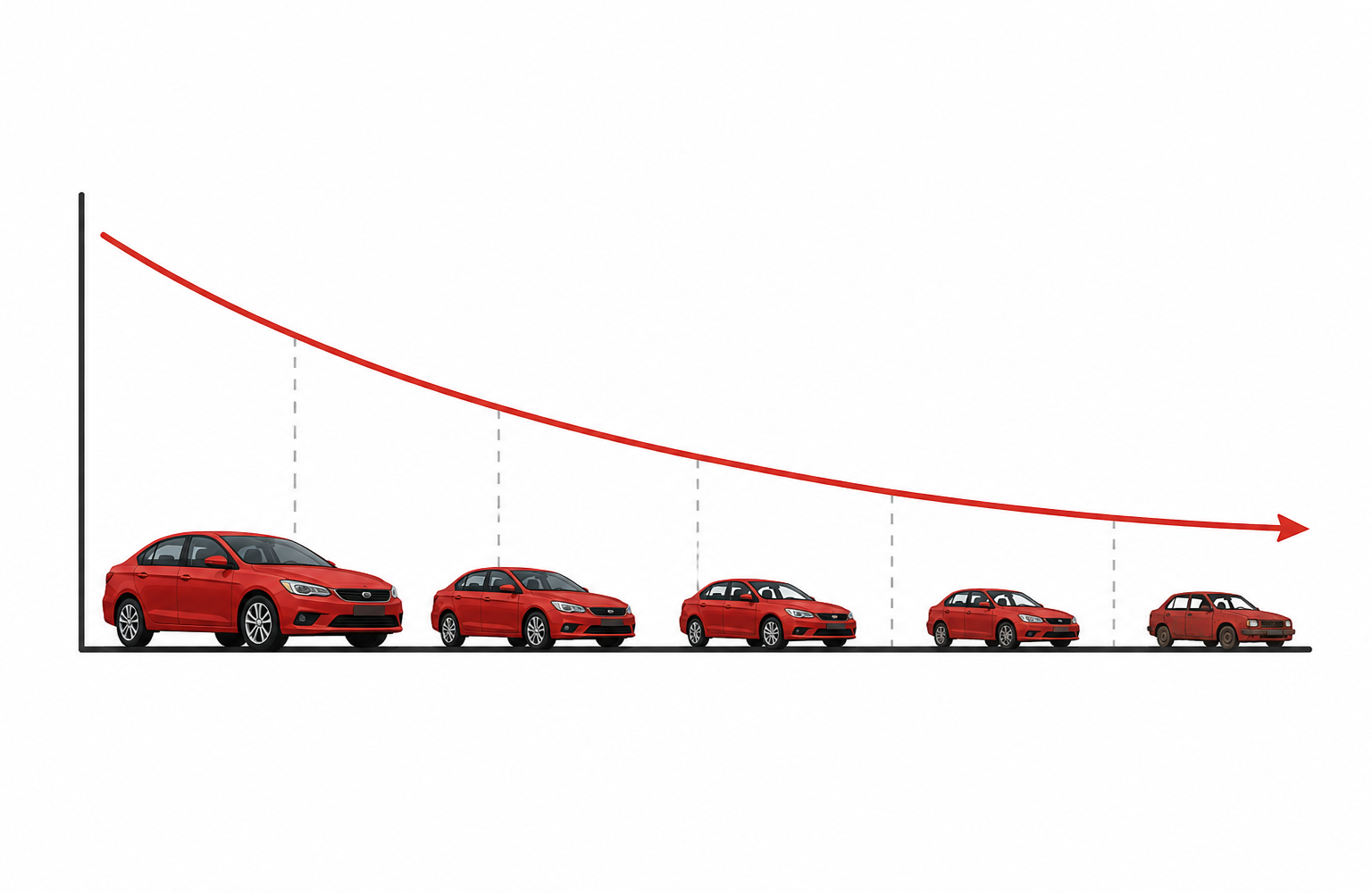
Car Depreciation is one of the most important but least understood aspects of car ownership. Every vehicle starts losing value the moment it is purchased, and the decline continues throughout its lifetime. What surprises most car owners is how fast this value drops, especially in the first few years and during periods of poor maintenance or low usage.
Understanding why this happens helps you make better decisions about when to keep a car and when to let it go before its value reduces significantly.
Car Depreciation: Signs Your Car Is Losing Value Faster Than You Realize
This is the stage where your vehicle quietly shifts from being a useful asset to a financial burden. Many owners don’t notice it early because car depreciation is gradual, but the warning signs become clear when repair costs rise, performance drops, and the overall ownership experience becomes more expensive than the car’s actual worth.
Immediate Car Depreciation After Purchase
One of the biggest shocks for new car owners is how quickly value drops right after purchase. The moment a car is driven out of the showroom, it is no longer considered brand new. It immediately becomes a used vehicle in the market.
In the first few years, a car can lose a significant portion of its original value. This happens because buyers in the second-hand market always prefer newer models with updated features, better fuel efficiency, and lower risk of mechanical issues.
Even if the car is in perfect condition, the market perception alone reduces its price. This is the first and fastest stage of car depreciation.
Wear and Tear Over Time
As a car gets older, physical and mechanical wear becomes unavoidable. Engine components gradually lose efficiency, brake systems weaken, and suspension parts become less responsive.
Interior quality also declines. Seats may tear, dashboards may fade, and electronic features may start malfunctioning. Even with regular servicing, no vehicle can completely avoid natural aging.
These small issues accumulate over time and directly reduce the resale value of the car.
Increasing Maintenance Costs
Older cars require more attention and more frequent repairs. What used to be simple servicing becomes a cycle of constant maintenance. Oil leaks, battery replacements, gearbox issues, and electrical faults become more common.
At first, these costs may seem manageable, but over time they add up significantly. Many owners realize that they are spending more on maintenance than the actual value the car is retaining.
At this stage, continuing ownership becomes financially inefficient.
Changing Market Demand
The automobile market evolves rapidly. New models are launched regularly with improved safety features, better fuel efficiency, and modern designs. As a result, demand naturally shifts toward newer vehicles.
Older cars lose attractiveness because buyers prefer lower risk and better performance. Even if an older vehicle is functioning properly, it may still struggle to find buyers at a good price due to changing preferences.
This shift in demand directly impacts resale value.
Technology Becomes Outdated
Modern vehicles are equipped with advanced technology such as touchscreen systems, parking sensors, ABS braking systems, airbags, and fuel-efficient engines. Older cars lack many of these features.
As technology advances, older vehicles feel outdated, even if they are mechanically sound. This makes them less competitive in the resale market.
Buyers are often willing to pay more for technology and safety rather than just basic functionality.
Impact of Non-Usage
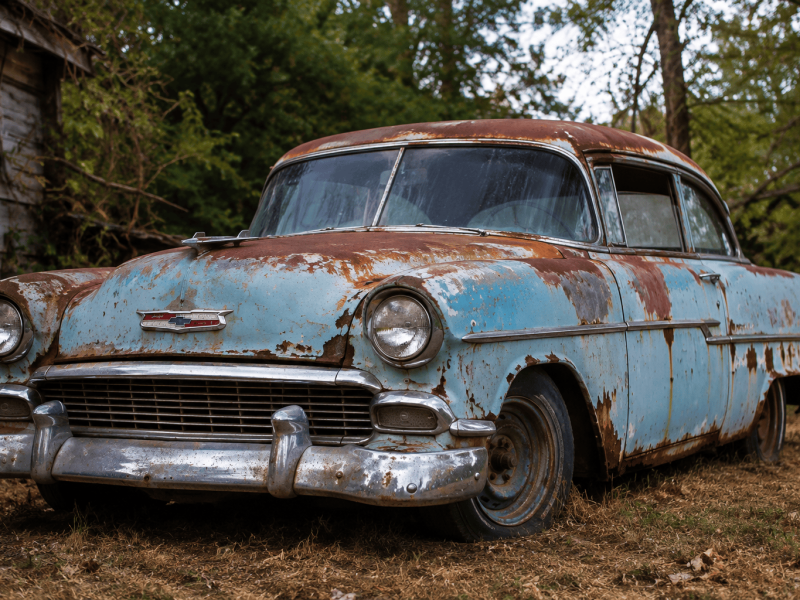
Many people assume that not using a car helps preserve its value, but the opposite is often true. A vehicle that sits idle for long periods can deteriorate faster than one that is regularly used.
When a car is not driven, several issues can develop:
- Battery discharge and failure
- Tire deformation and cracks
- Rust formation on metal parts
- Fluid stagnation and leaks
- Dust and moisture damage inside the engine
This silent car depreciation reduces both usability and market value.
Emotional Delay Leads to Financial Loss
One of the biggest reasons people lose money on old cars is emotional attachment. A vehicle may hold memories, represent milestones, or simply feel hard to part with.
However, delaying the decision to sell often leads to greater financial loss. As time passes, car depreciation continues, repair costs increase, and resale value drops further.
What feels like “keeping a memory” slowly turns into a financial burden.
Smart Decision for Vehicle Owners
Instead of allowing the vehicle to lose more value, many owners choose SGS Cash for Car to convert their old vehicle into instant cash. This helps avoid further car depreciation while also freeing up space and eliminating maintenance costs.
It is a practical solution for those who no longer want to deal with repair bills or declining performance.
Final Thoughts
Old cars lose value quickly due to car depreciation, wear and tear, changing market demand, and technological advancements. While this process is unavoidable, understanding it helps you make smarter decisions.
The key is timing. The longer you wait, the more value you lose. Recognizing the right moment to exit can help you reduce financial loss and make better use of your asset.